Nolan Williams Wikipedia, Biography, Age, Cause of Death, Wife, Children, Education, Career, Net Worth, Family

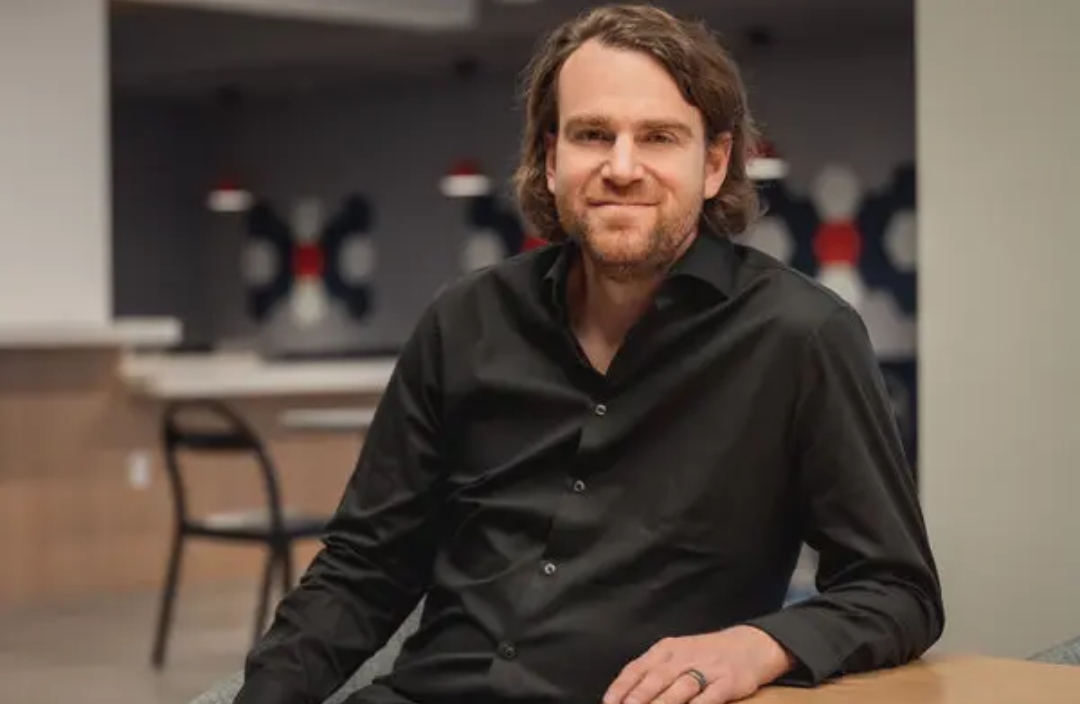
Dr. Nolan R. Williams was a distinguished American physician-scientist specialising in neuropsychiatry and neuromodulation. He served as a Professor of Psychiatry and Behavioral Sciences and as Director of the Brain Stimulation Laboratory at Stanford University.
Born around 1982 (he died in 2025 at age 42) he pursued dual residencies in neurology and psychiatry at the Medical University of South Carolina, and he was board-certified in neurology, psychiatry, and behavioral neurology/neuropsychiatry.
Dr. Williams’s research focused on developing advanced, rapid-acting treatments for treatment-resistant depression and other neuropsychiatric disorders. Among his major achievements was the development of the therapy known as Stanford Accelerated Intelligent Neuromodulation Therapy (SAINT) — a non-invasive brain stimulation method that received U.S. FDA “Breakthrough Device” designation in 2021 and clearance in 2022.
In addition to his neuromodulation work, he was a pioneer in studying psychedelics (for example, the compound Ibogaine) for neuropsychiatric illnesses and integrated neuroimaging, biomarkers, and stimulation technologies in his approach.
Sadly, Dr. Williams passed away on October 8, 2025. His death evoked deep reflection in the neuroscience and mental-health communities not only because of his scientific contributions but also because of his personal commitment to patients, mentoring, and innovation.
Age
According to multiple media sources, Dr. Williams passed away on October 8, 2025 at the age of 42 or 43.
Because his exact date of birth is not publicly confirmed in major academic biographical profiles, the precise age may vary slightly depending on source.
Early Life & Family
Place of Birth & Upbringing
Dr. Williams was raised in the United States, with roots in South Carolina. One biography indicates he was born in Bamberg, South Carolina and grew up amid the Lowcountry region.
While detailed public information about his childhood and family environment is relatively limited in peer-reviewed academic sources, popular biographical outlets reference that his upbringing in this region influenced his values of perseverance and service.
Family Background
Media sources and memorial notices state that he is survived by his mother and a brother.
His wife, Kristin Raj, and their two children are also part of his immediate family legacy.
Details regarding his father or extended family are not extensively publicly documented in academic biographies.
Education & Qualifications
Undergraduate & Medical Degree
Dr. Williams earned his M.D. from Medical University of South Carolina (MUSC).
He completed internships and residencies at MUSC, including residency in neurology and psychiatry.
Residencies, Fellowships & Board Certifications
- Internship: Internal Medicine at MUSC (2009)
- Residency: Neurology (completed 2014) and Psychiatry (completed 2014) at MUSC.
- Clinical Fellowship in Invasive and Non-Invasive Neuromodulation at MUSC (2014)
- Board certifications:
- American Board of Psychiatry and Neurology – Psychiatry (2014)
- American Board of Psychiatry and Neurology – Neurology (2019)
- United Council for Neurologic Subspecialties – Behavioral Neurology & Neuropsychiatry (2020)
Roles and Appointments
Dr. Williams held the position of Professor of Psychiatry and Behavioral Sciences at Stanford University.
He served as Director of the Brain Stimulation Laboratory at Stanford, a role fundamental to his research program.
Career
Academic & Clinical Focus
Dr. Williams’s research program was built around developing “innovative technologies and therapeutics capable of modulating the neural circuitry disrupted in mood disorders, OCD and other neuropsychiatric conditions.”
His clinical focus included neurology, neuropsychiatry, interventional psychiatry and behavioral neurology.
Major Research Contributions
SAINT – Stanford Accelerated Intelligent Neuromodulation Therapy
One of his signature achievements was the development of the SAINT protocol: a non-invasive rapid-acting neuromodulation approach for treatment-resistant depression.
SAINT obtained U.S. FDA Breakthrough Device Designation in 2021 and FDA clearance in 2022.
The treatment was the first psychiatric therapy to be covered by Medicare’s New Technology Add-On Payment (NTAP) as of April 2024.
Psychedelics & Neuroimaging
Dr. Williams explored psychedelics (e.g., ibogaine) for neuropsychiatric illness and conducted mechanistic clinical trials.
He and his team developed neuroimaging-based biomarkers to predict treatment responses to neuromodulation and related therapies.
Awards & Recognition
Dr. Williams received multiple prestigious awards:
- Gerald R. Klerman Award, Brain & Behavior Research Foundation (2019)
- Biobehavioral Research Award for Innovative New Scientists, NIMH (2020)
- A.E. Bennett Award, Society of Biological Psychiatry (2024)
- Colvin Prize, Brain & Behavior Research Foundation (2024)
- Recognition from Clinical TMS Society (2025)
Impact & Influence
His work has been featured in mainstream media outlets such as The New York Times, Scientific American, USA Today, and CBS Sunday Morning.
Further, his vision to transform mental health care has been referenced in memorials by his institution and industry collaborators.
Net Worth
There is no verified public source establishing Dr. Williams’s exact net worth. Some biographical estimate websites suggest a figure in the range of US $2-5 million, based on academic salary, grant funding and possible equity in related ventures.
Given his primary role as an academic physician-scientist and the nature of funding in that space, such estimates should be viewed cautiously and not considered definitive.
Wife & Children
Dr. Williams was married to Dr. Kristin Raj, a psychiatrist and clinical professor of psychiatry and behavioral sciences at Stanford.
The couple had two children, young and described in his wife’s statement as “our two sparkling and soulful young children.”
In her tribute, Dr. Raj described him as “the rock who made me feel safe in the world, and my partner in all endeavours for a decade.”
Personal Life
Dr. Williams’s personal life reflected both the intensity of his mission and the human vulnerabilities that accompany it. According to memorial writings, he described his work as addressing what he termed “brain emergencies” — moments when the brain’s cognitive control circuitry fails to suppress neural circuits underlying negative mood.
Death
Dr. Williams died on October 8, 2025.
His passing was publicly acknowledged by his wife on October 12, 2025, in a statement indicating his wife and children survived him.
Some reports indicate medical examiner confirmation of suicide, though official institutional statements have not publicly detailed cause of death widely in peer-reviewed sources.
Conclusion
The “Nolan Williams Biography” reveals a story of exceptional intellect, bold innovation and profound compassion, set against the backdrop of serious brain disorders and the human cost of advancing science. He emerged from South Carolina, ascended the academic ranks at Stanford, and spearheaded treatments that changed lives. Yet his own life also underscores that brilliance does not confer invulnerability.
FAQs
Who was Nolan R. Williams?
Dr. Williams was a physician-scientist, Professor of Psychiatry and Behavioral Sciences at Stanford University, and Director of the Stanford Brain Stimulation Lab.
What major treatment did he develop?
He developed SAINT (Stanford Accelerated Intelligent Neuromodulation Therapy), a rapid-acting non-invasive neuromodulation therapy for treatment-resistant depression.
How old was he when he died?
He died on October 8, 2025 at age 42 or 43, depending on source.
What was his educational background?
He earned an M.D. from MUSC, completed dual residencies in neurology and psychiatry, and held board certifications in neurology, psychiatry and behavioral neurology/neuropsychiatry.
Who is his wife and how many children did he have?
His wife was Dr. Kristin Raj and they had two young children.
What was his net worth?
His exact net worth is not publicly verified; some sources estimate it at US $2-5 million, though this remains speculative.
What other research was he known for besides neuromodulation?
He explored psychedelics (such as ibogaine) and neuroimaging-based biomarkers in neuropsychiatric disorders.
What awards did he receive?
Among his awards: Gerald R. Klerman Award (2019), Biobehavioral Research Award for Innovative New Scientists (2020), A.E. Bennett Award (2024) and Colvin Prize (2024).
What was the cause of his death?
The official cause released by institutional sources is not widely detailed; some media reports and eulogies indicate suicide, but this remains sensitive and not universally confirmed.