Mysonne Linen Wikipedia, Biography, Age, Net Worth, Conviction, Appointment, Career, Wife, Family

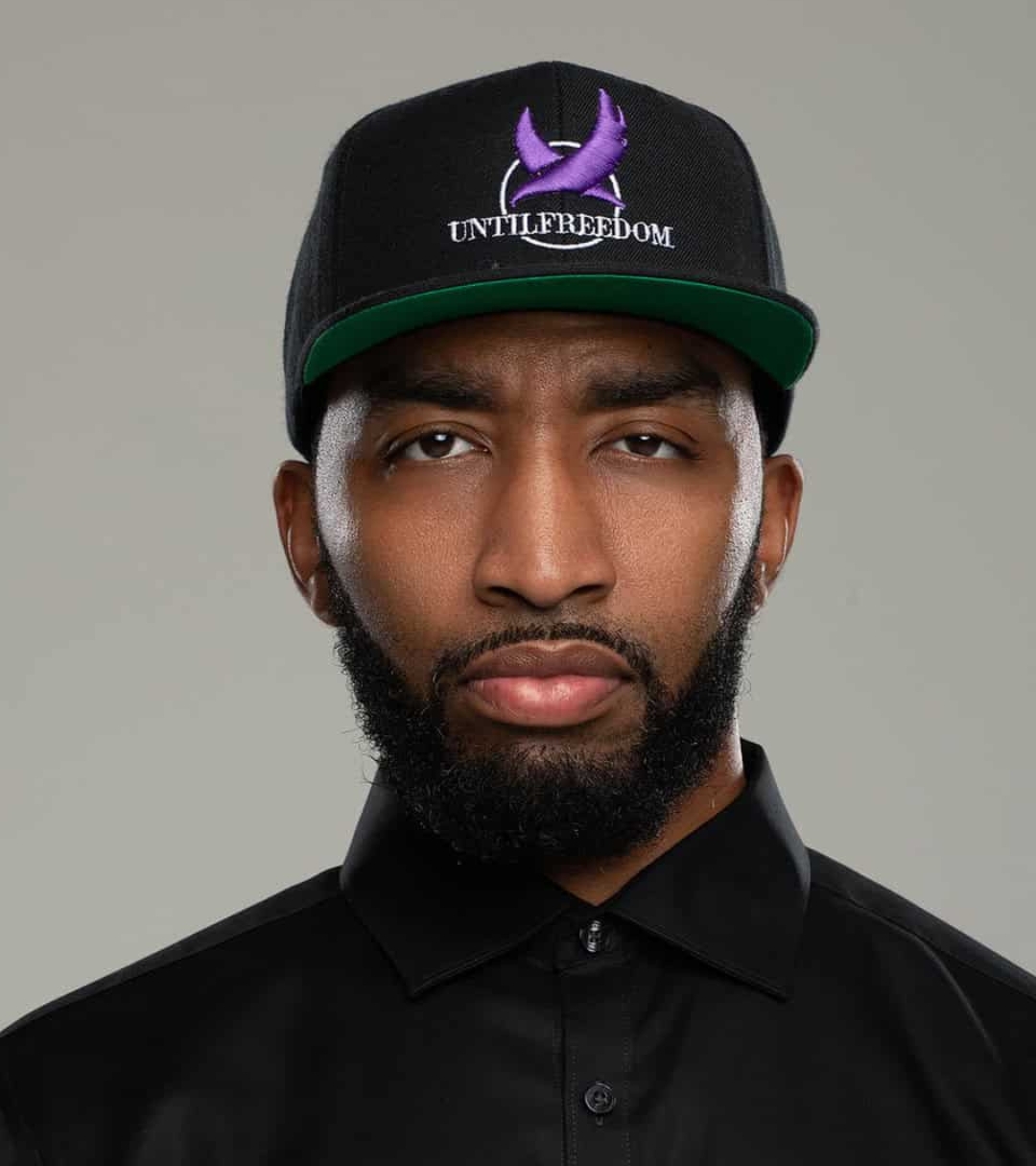
Mysonne (birth name Mysonne E. Linen) is an American rapper, songwriter and social-justice activist originally from the Highbridge/Bronx neighborhood of New York City.
Mysonne grew up in a challenging environment. His father died when he was about 11, and he was raised by his mother and grandparents. As a teenager he played basketball and even competed — reportedly in venues associated with future NBA-level talent — but he eventually turned his attention to hip hop.
In the late 1990s, Mysonne emerged on the New York mixtape circuit and gained some traction in hip hop. He was signed at one point to major labels including Def Jam Recordings (via a management deal through Violator/US Entertainment), and began working toward a debut album.
However, just as his music career seemed poised to take off, Mysonne was convicted in 1999 for two armed robberies involving taxi drivers — crimes prosecutors said occurred in 1997 and 1998. He was sentenced to prison and ultimately served seven years before being released on parole in 2006.
After his release, Mysonne redirected his energies toward activism and social justice. He co-founded Until Freedom, an organization dedicated to combating racial injustice and supporting criminal justice reform. Through his music and activism, he has positioned himself as a “rap-tivist,” using hip hop to draw attention to issues like systemic racism, police violence, incarceration and community empowerment.
Recently, Mysonne Linen gained renewed public attention when Zohran Mamdani — the incoming mayor of New York City — appointed him to a criminal legal system transition committee. The appointment sparked debate and controversy because of his criminal past and the sensitive nature of public-safety policymaking.
Early Life and Background
Birthplace, Hometown and Childhood
Mysonne Linen was born in the Bronx, New York, during the late 1970s. Growing up in the inner city, Mysonne experienced firsthand the struggles and challenges faced by many in marginalized communities — poverty, violence, lack of resources, and the pressures of urban life.
Tragically, he lost his father around the age of 11. That loss had a profound impact on him: he was thereafter raised by his mother and family, forced to confront hardship at an early age, and shaped by the realities of life in a tough neighborhood.
Upbringing, Street Life and Early Influences
Despite the adversities, Mysonne tried to steer clear of gangs, drugs, and violence. According to some accounts, he found solace and purpose in education and sports. As a young man he frequented the legendary Rucker Park and would often play basketball. Some narratives suggest he rubbed shoulders — at least aspirationally — with future NBA-level talent, although documented proof is unclear.
Alongside sports, Mysonne developed an interest in the burgeoning hip-hop scene of the Bronx. He began attending rap battles, freestyle sessions, and gradually immersed himself in street culture. This environment, though risky, also fostered his early ambitions as an MC — giving him a platform to express frustration, hope, and the realities of his community.
Music Career
Getting Started: Mixtapes, Battles and Early Buzz
By the mid to late 1990s, Mysonne started making his mark in New York’s hip-hop underground. He appeared on numerous mixtapes and participated in rap battles, earning respect within the local rap community. Over time, his lyrical style — raw, unfiltered, street-rooted — helped him to stand out.
He reportedly battled other noted hip-hop talents of the era in various showcases, building his reputation as a promising MC.
Major Label Breakthrough: Signing and Promise
As his reputation grew, Mysonne attracted attention from major players in the rap industry. He signed with Violator Records and by extension was set to release a debut album under Def Jam Recordings — one of the biggest labels in hip-hop.
He even had collaborations lined up with prominent artists and was considered a rising star. However, fate had other plans.
Legal Trouble, Conviction and Imprisonment
Arrest and Charges
In 1999, Mysonne’s promising music career came crashing down when he was convicted for his role in two armed robberies of taxi drivers in the Bronx. The first robbery reportedly occurred on June 8, 1997 (driver Joseph Eziri), and the second on March 31, 1998 (driver Francisco Monsanto).
Prosecutors alleged that Mysonne was part of a crew that used weapons, robbed the cab drivers at gunpoint, and stole cash and valuables. At trial he was found guilty on counts including armed robbery, weapons possession, and possession of stolen property.
He refused a plea deal and went to trial — a decision that many believe ultimately cost him his freedom.
Sentence and Incarceration
He was sentenced to between seven to 14 years in prison, though he was paroled in July 2006 after serving approximately seven years.
Though he has consistently maintained his innocence, the conviction derailed his major-label debut and forced him to reimagine his life.
Read Also: Frank Cozzolino Wikipedia, Biography, Age, Wife, Children, Net Worth, Family
Reinvention: From Convict to Activist
Turning Point After Prison
Following his release in 2006, Mysonne did not retreat into obscurity. Instead, he decided to turn his life around. He refocused on activism, community, and reform — committing himself to causes aimed at aiding marginalized communities, especially Black and Brown neighborhoods impacted by violence, systemic injustice, and mass incarceration.
Founding Organizations and Advocacy
He co-founded Until Freedom, a social justice advocacy group that focuses on systemic racial injustice, criminal justice reform, and gun violence prevention.
Additionally, he established another initiative, Rising Kings, a nonprofit that reportedly provides classes for inmates at Rikers Island, aimed at rehabilitation and empowerment.
Through these efforts, Mysonne sought to give back, using his lived experience as a former convict to fuel advocacy and push for reforms — essentially rebranding himself from “rapper” to “rap-tivist.”
He also continued to stay connected to music, releasing mixtapes and working independently.
Rise to Prominence: 2025 Appointment
Selection by Zohran Mamdani
In November 2025 the public learned that Mysonne Linen had been selected by newly elected New York City mayor Zohran Mamdani to serve on his mayoral transition team. Specifically, he was appointed to the “Criminal Legal System” committee — part of a broader slate of 17 or more transition committees aimed at shaping policy for the next administration.
On social media, Mysonne and leaders from Until Freedom confirmed the appointment, describing it as a recognition of their decades-long work in criminal justice reform and gun violence prevention.
Public Reaction and Controversy
The announcement sparked intense debate. Supporters applauded the decision as a powerful statement about redemption, second chances, and the importance of lived experience in shaping justice policy. Notable voices in hip-hop and social justice circles celebrated Mysonne’s rise from incarceration to influence.
Personal Life and Relationships
Information about Mysonne Linen’s personal relationships — including marital status or whether he currently has a wife — is not reliably documented in any major news or biographical source as of December 2025. Because of that, any claims about a spouse or family life should be treated with caution unless confirmed by credible reporting. As of now, no well-sourced public record has confirmed a wife or partner.
Net Worth and Financial Standing
Estimating net worth for someone like Mysonne Linen is challenging because public information is scant, and much of his career has been independent, grassroots, or nonprofit-driven. There is no widely accepted or verified figure for his net worth as of 2025.
His income sources likely include music sales and royalties from mixtapes and independent releases, revenues or funding related to his nonprofit and advocacy work, and possibly payment for his advisory role on the transition team. However, none of these are public record with clarity.
Conclusion
Mysonne Linen’s life story is a testament to survival, transformation, and the complicated journey from the streets of the Bronx to the corridors of influence. From early promise as a hip-hop MC to a dramatic fall with a robbery conviction, and then a rebirth as an activist and advocate — his journey captures the complexity of human lives shaped by systemic inequalities, personal choices, and the possibility of redemption.
With his recent appointment to the criminal justice advisory committee of New York City’s mayor-elect, Mysonne’s influence may reach far beyond music or grassroots activism; he could play a role in shaping policies that affect thousands of lives. Whether that possibility is embraced or opposed, one thing is clear: Mysonne Linen remains a figure whose past and present collide in a powerful narrative about justice, reform, and second chances.
FAQs
Who is Mysonne Linen?
Mysonne Linen is a Bronx-born rapper turned social justice activist, formerly imprisoned for armed robbery, who now advocates for criminal justice reform and community empowerment.
How old is Mysonne Linen as of 2025?
He is 49 years old.
Why was Mysonne Linen in prison?
In 1999 he was convicted for his role in two armed robberies of taxi drivers in the Bronx (1997 and 1998), including charges of robbery, weapons possession, and possession of stolen property.
When was he released from prison?
He was paroled in July 2006 after serving approximately seven years.
What did he do after prison?
After his release, Mysonne co-founded advocacy and nonprofit organizations, notably Until Freedom and Rising Kings, focusing on criminal justice reform, inmate education, and violence prevention.
Does Mysonne still make music?
Yes. Although his major-label debut was derailed, he continued independently — releasing mixtapes, performing, and staying connected to the hip-hop community.
What recent appointment brought Mysonne back into the public spotlight?
In late 2025, incoming New York City mayor Zohran Mamdani appointed Mysonne to his mayoral transition team’s “criminal legal system” committee.
Why is that appointment controversial?
The controversy stems from his criminal history; critics argue that a convicted armed robber should not shape policies on crime and policing. Supporters argue that his lived experience offers unique insights for reform.