Magda Umer Wikipedia, Biography, Age, Cause of Death, Songs, Net Worth, Husband, Children, Family

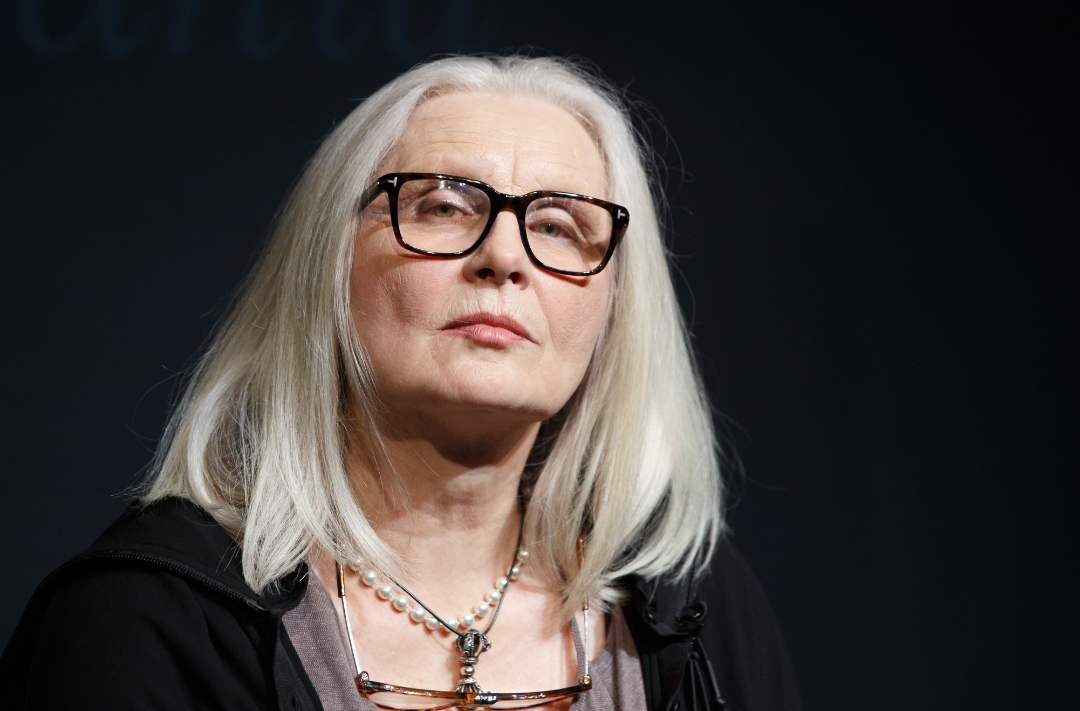
Magda Umer (1949–2025) was a celebrated Polish singer, performer, and director, widely regarded as a master of the “sung poetry” genre (poezja śpiewana). Born in Warsaw, she became an iconic figure in Polish culture, known for her ethereal voice, melancholic interpretation, and deep sensitivity to the written word. Her recent passing on December 12, 2025, at the age of 76, marked the end of a significant era for Polish artistic song, drawing tributes from across the cultural spectrum.
Her career began in the late 1960s within the vibrant student cabaret scene in Warsaw. She quickly gained recognition for her unique performance style—often described as singing “half-whispered”—which prioritized the emotional weight of the lyrics over vocal gymnastics. This approach earned her top prizes at the prestigious Opole Song Festival early in her career. Unlike pop stars of the era, Umer focused on high-quality literary texts, performing works by renowned poets such as Bolesław Leśmian and Halina Poświatowska.
Umer was not just a performer but also a prolific creative partner to some of Poland’s greatest artistic minds. She shared a profound professional and personal bond with the poet Agnieszka Osiecka and the satirist Jeremi Przybora. Her ability to interpret their work made her one of the most trusted custodians of their artistic legacies. Beyond singing, she was a talented director and screenwriter, creating stage performances and television programs that often wove together music, theater, and literature.
Throughout her life, Umer remained a distinct and uncompromising artist who avoided commercial trends in favor of intimacy and authenticity. In addition to her musical albums like Noce i sny and Wciąż się na coś czeka, she authored books and memoirs that chronicled her friendships and the artistic milieu of Poland. She is remembered not only for her “autumnal” concerts and lullabies but as a guardian of memory who bridged the gap between classic Polish poetry and modern audiences.
Profile Summary
Early Life and Education
Childhood and Family Background
Born in Warsaw on October 9, 1949, Magda Umer grew up in a Poland rebuilding from the devastation of World War II. While she became a beloved public figure, her family history contained complex chapters; reports and interviews have occasionally touched upon her father, Edward, and his work in the state security apparatus, as well as her uncle, Adam Umer. Despite these historical shadows, Umer forged her own distinct path defined by artistic sensitivity rather than politics.
Academic Pursuits
Umer did not initially set out to be a singer. She pursued higher education at the prestigious University of Warsaw, where she studied Polish Philology. This academic background in literature proved instrumental in her later career, as her performances were always deeply rooted in a respect for the written word. It was during her university years that she became involved with the vibrant student cabaret scene, which was a crucible for Polish artistic talent in the late 1960s.
Career
1960s: The Student Cabarets and Debut
Magda Umer’s artistic journey began in the late 1960s within the student cabaret movement, specifically at the famous Stodoła club in Warsaw. Her performance style was immediately distinct from the loud, beat-driven music popular at the time. She sang quietly, often described as “half-whispering,” forcing audiences to lean in and listen closely to the lyrics.
Her breakthrough came quickly. In 1969, she performed the song “Jeśli myślisz, że ja cię nie kocham, to się mylisz” (If You Think I Don’t Love You, You Are Wrong) at the Winter Song Exchange, which qualified her for the “Debuts” competition at the National Festival of Polish Song in Opole.
1970s: Festival Successes and “Sung Poetry”
The 1970s cemented Umer’s status as a star of poezja śpiewana.
-
1969: Received a distinction at Opole for “Jedź na urlop, Romeo” and won the Festival of Academic Youth (FAMA) with “Jestem cała w twoich rękach.”
-
1970: Won FAMA again with “Koncert jesienny na dwa świerszcze i wiatr w kominie.”
-
1971: Won at the Opole Festival, solidifying her reputation.
-
1972: She was scheduled to perform “O niebieskim pachnącym groszku” as a duet with Andrzej Nardelli at Opole, but he tragically died just before the finale. She performed the song alone, creating one of the festival’s most poignant moments.
Collaborations with Literary Giants
Umer’s career was defined by her close professional and personal relationships with Poland’s greatest lyricists.
-
Agnieszka Osiecka: Umer was one of Osiecka’s closest friends and interpreters. She directed the legendary concert “Zielono mi” at the 1997 Opole Festival, a tribute produced shortly after Osiecka’s death, which is considered one of the most important events in the history of Polish television and music.
-
Jeremi Przybora: She shared a deep artistic bond with the co-creator of Kabaret Starszych Panów. She directed the documentary Jeremi Przybora (1990) and often performed his songs, preserving his sophisticated humor and elegance.
Directing and Screenwriting
Beyond singing, Umer was a prolific director. She helmed numerous concerts, theatrical plays, and television spectacles.
-
Theater: She directed Biała Bluzka (The White Blouse), a celebrated play based on Osiecka’s writings, starring Krystyna Janda.
-
Film & TV: Her directorial credits include the documentary Jeremi Przybora and television plays like Zapiski z wygnania. She also acted in films such as Pałac (1980) and Weryfikacja (1986).
Discography and Significant Works
Magda Umer’s discography is a collection of albums that prioritize mood, lyricism, and melody.
Notable Albums
-
Magda Umer (1973/1992): Her debut and subsequent re-issues established her repertoire.
-
Koncert Jesienny (1995): A live recording capturing the intimate atmosphere of her performances.
-
Kołysanki Utulanki (2003): Recorded with Grzegorz Turnau, this album of lullabies became a beloved classic for both children and adults.
-
Noce i sny (2010): A sophisticated album that further explored themes of night and dreams.
-
Wciąż się na coś czeka (2012): One of her later major studio albums.
-
Duety. Tak młodo jak teraz (2015): A collection of duets featuring various artists.
Famous Songs
-
“O niebieskim pachnącym groszku”
-
“Koncert jesienny na dwa świerszcze”
-
“Już szumią kasztany”
-
“Oczy tej małej”
Books and Publications
Umer was also an author who chronicled her life and the lives of her famous friends. She published memoirs and collections of correspondence that offered a glimpse into the Polish cultural elite. Her works often focused on her friendships with Agnieszka Osiecka and Jeremi Przybora, serving as essential documents of Polish cultural history.
Personal Life
Family
Magda Umer was a private person who fiercely guarded her family life. She was married (her surname was Umer-Przeradzka) and was a devoted mother to her two sons, Mateusz and Franciszek.
Health and Personal Struggles
In her later years, Umer was open about her personal battles, helping to destigmatize mental health issues in Poland. She spoke publicly about her long-term struggle with depression, admitting that she had taken medication for years. Towards the end of her life, she also battled a severe physical illness; reports following her death confirmed she had been fighting pancreatic cancer for six months.
Net Worth
Information regarding Magda Umer’s specific net worth is not publicly disclosed. As an artist who prioritized high culture over commercial gain, her wealth was derived from concert tours, album sales, royalties, and her work in television and theater.
Death
Magda Umer passed away on December 12, 2025, at the age of 76. She died in a hospital in Warsaw. Her death was attributed to pancreatic cancer after a six-month struggle.
Conclusion
Magda Umer was more than just a singer; she was an institution of sensitivity in Polish culture. Through her “sung poetry,” she taught generations of listeners how to listen to words and find beauty in melancholy. Whether directing a grand festival stage or singing a quiet lullaby, she remained authentic and uncompromising. Her legacy survives in her recordings, her directed works, and the profound impact she had on preserving the memory of Poland’s literary greats.
Frequently Asked Questions
When did Magda Umer die?
Magda Umer died on December 12, 2025.
What was the cause of Magda Umer’s death?
She died after a struggle with pancreatic cancer.
What genre of music was Magda Umer known for?
She was a leading figure in poezja śpiewana (sung poetry).
Did Magda Umer have children?
Yes, she had two sons, Mateusz and Franciszek.
What is Magda Umer’s most famous song?
One of her most iconic songs is “O niebieskim pachnącym groszku.”
Who were Magda Umer’s famous artistic collaborators?
She collaborated closely with Agnieszka Osiecka, Jeremi Przybora, and Wojciech Młynarski.
Was Magda Umer a director?
Yes, she was a highly respected director of concerts, theater plays, and television documentaries.
What awards did Magda Umer receive?
Her honors include the Gold Medal “Zasłużony Kulturze Gloria Artis” and the Commander’s Cross of the Order of Polonia Restituta.
Did Magda Umer act in films?
Yes, she acted in films such as Pałac (1980) and Weryfikacja (1986).